Let Them Demonstrate Their Learning in PANDA
Demonstrate is where students show what they can do. Here is how to match tasks to outcomes and choose the right Canvas tools, from…
WCAG 3 is a working draft open for review. This calm explainer covers what that means, what the W3C has and has not said,…
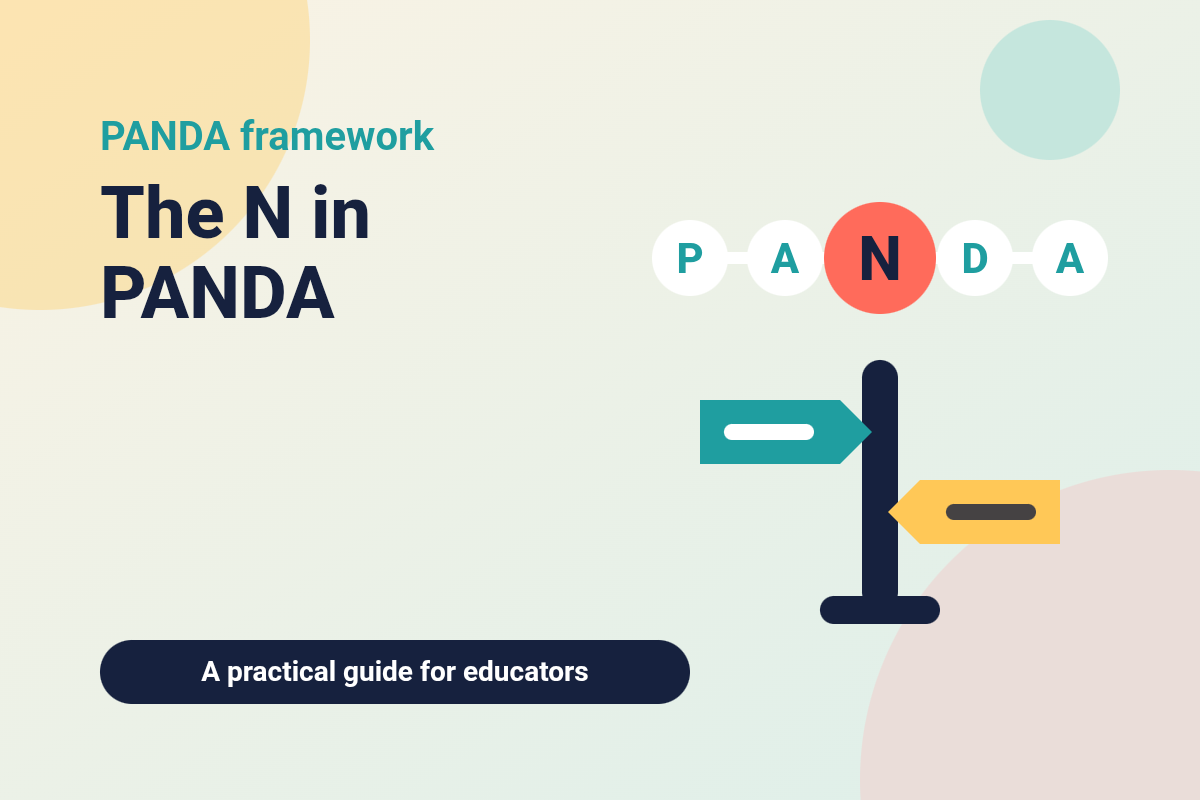
Navigate is the part of the PANDA framework that carries the substance of each week. Here is how to design it so students always…
Students should never have to guess where they stand on AI. This post shows how to add a short, specific AI use statement to…
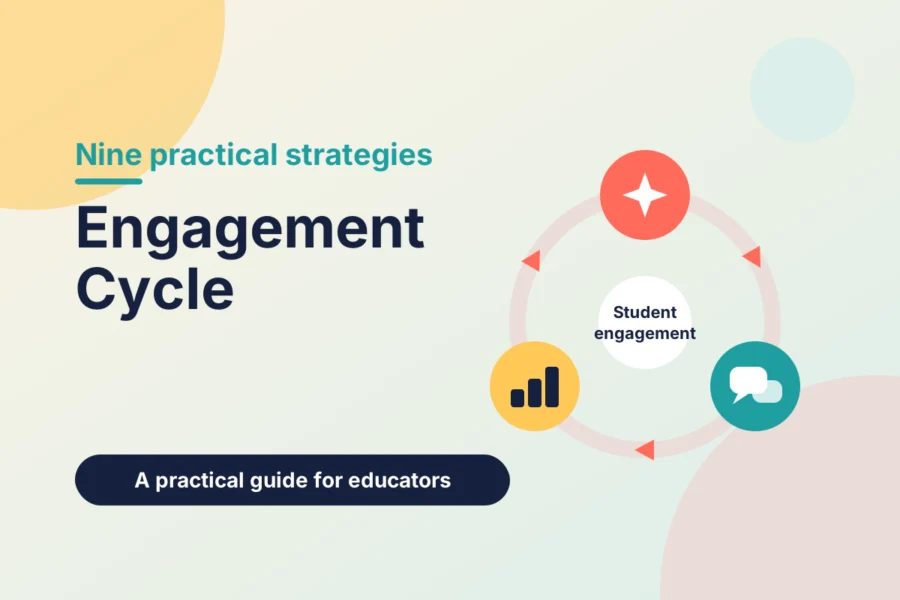
Students rarely disengage in the middle of a task. They drop away in the gaps. The Engagement Cycle gives you three stages and nine…
A one-page week, Pre-In-Post and PANDA each shape how students meet your content. This post compares their strengths and limits and shows how to…
Video works best when it has a clear job at each stage of a course, not when it is dropped in as a default.…
Five practical tips for HE academics on designing Canvas rubrics that make standards clear, speed up marking and give students feedback they can act…
See how the PANDA framework lines up with Gagné's nine events of instruction and Bloom's taxonomy, and how to build course sites in Canvas…
Canvas has no gamification switch, but modules, Mastery Paths, quizzes and Outcomes combine to give you the key ingredients. Here are five practical tips…