Practical guides on learning design, assessment and Canvas, organised by the five PANDA stages. Sign in to see what you’ve read and save articles for later.
Meaningful Feedback Increases Student Engagement
Meaningful feedback helps students see what they're doing well and where to improve. Here's how it encourages ownership, builds confidence and keeps learners engaged.
Canvas features worth the time setting up
Content without engagement is wasted effort. Here are the Canvas features worth setting up to improve student engagement in online and blended courses.
5 Tips for Improving Accessibility
Accessible design helps every student. This post gives you five practical tips and a short routine for checking your Canvas pages.
Mastering Personalisation Tactics
Personalisation does not mean a separate course for every student. This post offers four practical tactics and a way to keep them manageable in Canvas.
Make Your Canvas Navigation Recognisable, Consistent and Easy
Students rarely say a Canvas course is hard to navigate. They just miss things. Here is how to make yours recognisable, consistent and easy to move through.
Tips and Tricks for Creating Playlists and Choice Boards
Playlists and choice boards give students a say in how they learn. This post shares practical tips for designing both, and shows how to build them in Canvas.
A Minimum AI Learning Entitlement: What You Can Build in One Canvas Week
A HEPI guest post proposes a minimum AI learning entitlement for every student. Here is what you can realistically offer in one Canvas week, without waiting for institutional policy.
Using Active Learning Techniques in a Blended Course
How to use active learning in a blended course, from online preparation to in-class techniques and discussion between sessions.
Carpe Diem Learning Design by Gilly Salmon
Carpe Diem is Gilly Salmon’s team-based approach to learning design. See the six steps and how to use them to build a Canvas module.
Designing Task-Centred Learning with Merrill’s Principles
How to design a module that starts with a real-world task and moves through activation, demonstration, application and integration, with a Canvas walkthrough.
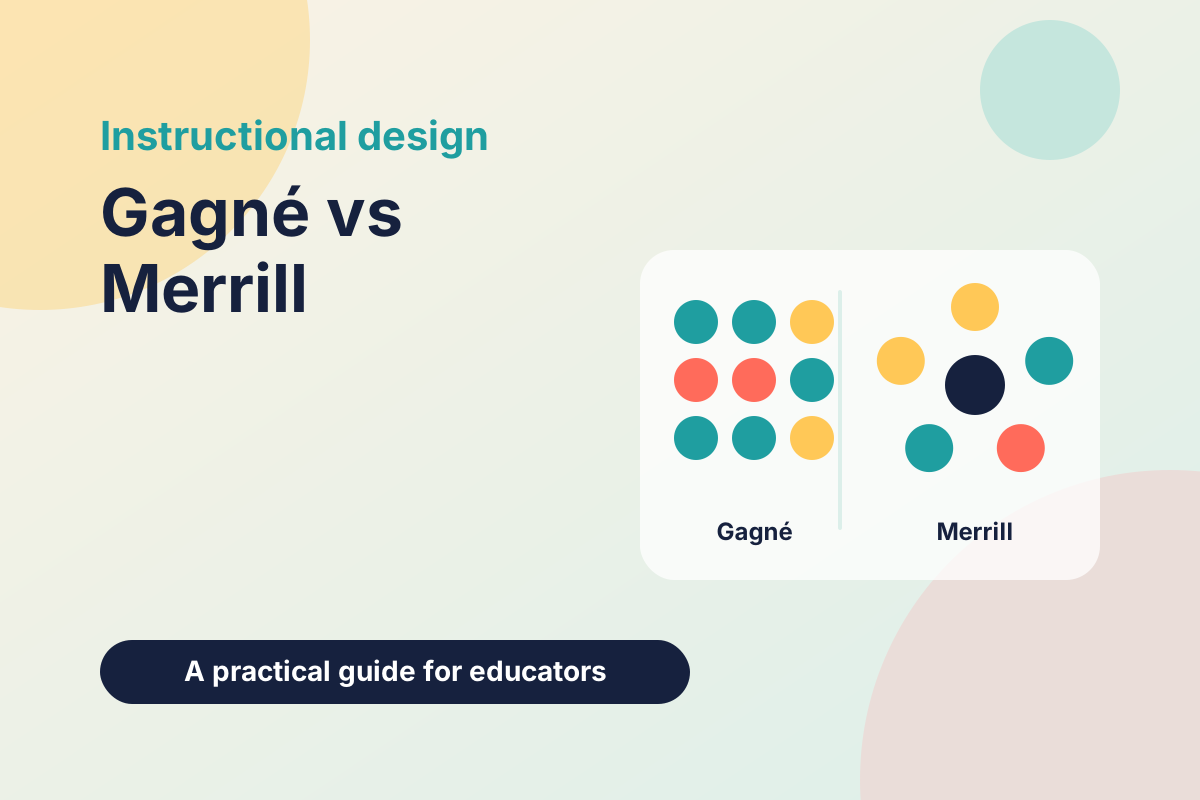
Gagné vs Merrill: Comparing Two Instructional Design Models
A clear comparison of Gagné's nine events and Merrill's First Principles of Instruction: where they overlap, where they differ, and how to use both when designing courses.
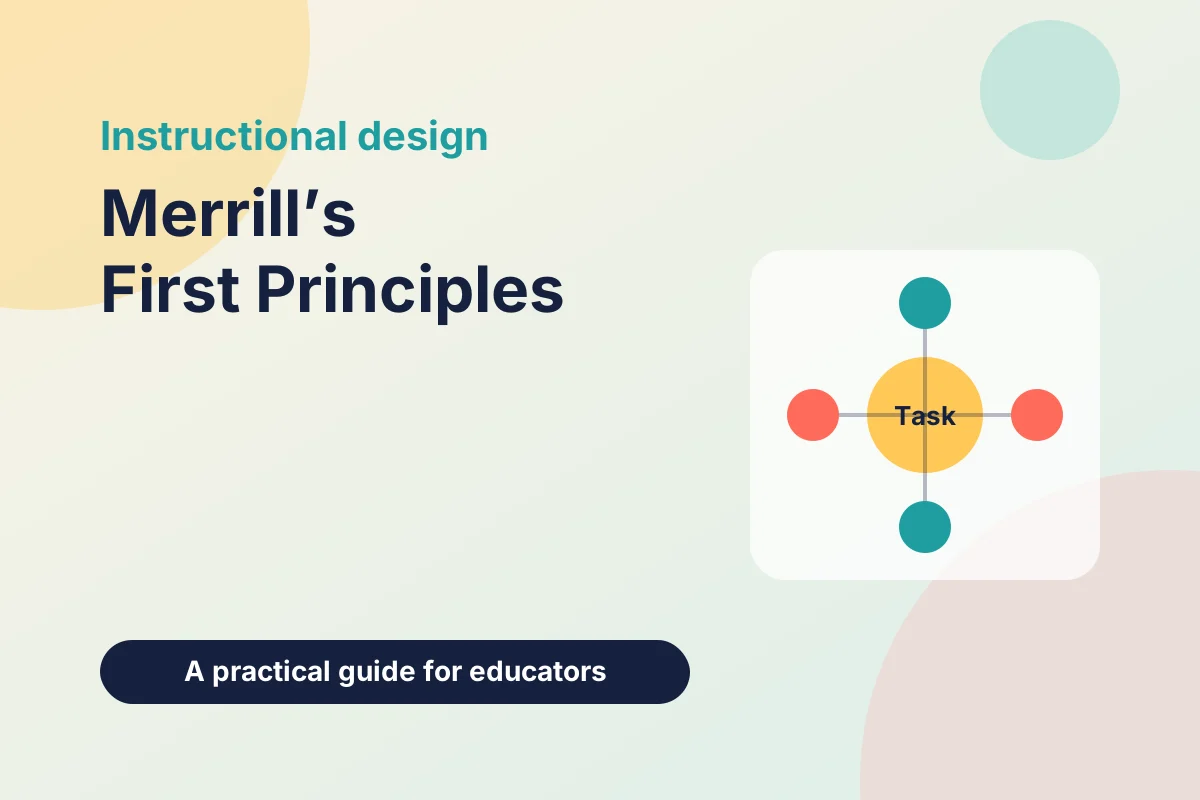
Introduction to Merrill’s First Principles of Instruction
A short introduction to Merrill’s five First Principles of Instruction, with practical ideas for applying them to a Canvas module.